source glass packaging for your business
The Science of Glass Packaging: Enhancing Your Brand Using Sustainable Glass Bottles
The craft of glass packaging offers brands a distinctive pathway to stand out. Via eco-friendly approaches, glass bottles improve aesthetic presentation while resonating with environmentally aware consumers. Their inherent qualities, encompassing recyclability and material safety, reflect a dedication to quality standards. As brands navigate this evolving landscape, comprehending the wide-ranging benefits and complexities of glass packaging proves vital for enduring achievement. How are brands leveraging creative approaches to capitalize on these benefits?
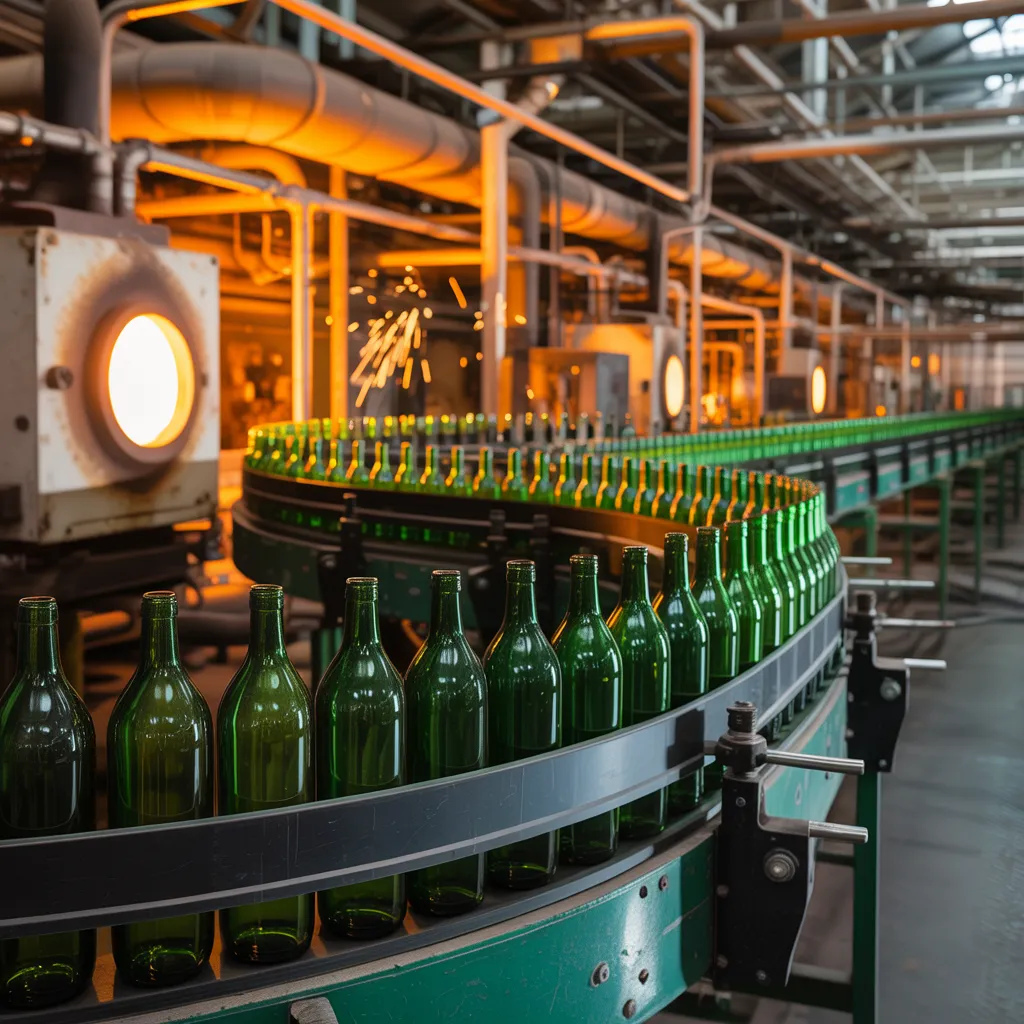
Reasons to Select Glass Packaging for Your Brand
Choosing glass packaging can considerably elevate a brand's image and sustainability efforts. Businesses that select glass demonstrate a pledge to superior standards and premium experiences, appealing to discerning consumers who recognize the importance of design and utility. Glass offers a enduring and sophisticated look, strengthening a brand's visual presence while providing a sensory experience that plastic cannot match.
Additionally, glass packaging communicates a feeling of wholesomeness and reliability, as it is absent of dangerous compounds frequently associated with plastic packaging. This decision can appeal to eco-aware shoppers who connect glass with ethical choices. Additionally, its resilience permits repeated utilization, additionally affirming a brand's devotion to sustainable principles.
In a marketplace growing more conscious of ecological responsibility, adopting glass packaging can distinguish a brand building consumer loyalty and strengthening brand trust. In the end, this calculated move positions brands as leaders in sustainability and quality, reflecting contemporary consumer expectations.
The Environmental Advantages of Glass Bottles
Glass bottles offer significant environmental benefits that distinguish them from competing packaging solutions. These containers are completely recyclable, contributing to a circular economy where materials can be reused indefinitely without loss of quality. This quality greatly reduces the need for new materials, thereby minimizing resource extraction and energy expenditure linked to the production process.
Furthermore, glass packaging is non-reactive, meaning it does not leach toxic substances into its contents, ensuring healthier consumption. As opposed to plastic, glass does not add to microplastic pollution, which is a increasing environmental concern.
The production of glass bottles similarly results in lower greenhouse gas emissions in comparison to plastic. As manufacturing processes have advanced, energy efficiency has been greatly enhanced, further reducing the carbon footprint linked to glass production.
Innovative Designs That Enhance Glass Packaging
Unique aesthetics in glass vessels are revolutionizing how items are presented. Distinctive forms and designs not only boost practicality but also draw shopper focus. Moreover, eye-catching color palettes further boost the overall appearance, making glass packaging rise above the competition on display.
Distinctive Shapes and Structures
Creative approaches in glass-based packaging not only elevate the overall look but also fulfill an important purpose in setting brands apart. Unique shapes and structures can craft remarkable experiences for buyers, enabling products to capture attention on crowded shelves. For instance, non-symmetrical bottles or structured geometric forms can evoke curiosity and encourage interaction. These unique configurations often correspond with a brand's core values, reinforcing its message and values. Furthermore, unique forms can enhance usability, like more comfortable use or superior flow. Businesses that commit to original glass design concepts signal commitment to quality and sustainability, attracting environmentally conscious consumers. Through emphasizing creativity in their packaging choices, businesses can build stronger bonds with their customers, in turn promoting long-term loyalty and broadening their market reach.
Attention-Grabbing Color Palettes
Vibrant color palettes are fundamental in improving glass container aesthetics, turning everyday bottles into striking visual declarations. By employing a strategic blend of hues, companies can stir feelings and craft lasting impressions for customers. Striking colors can indicate superior craftsmanship, as more subdued tones often suggest grace and distinction.
Moreover, the use of multi-toned designs and gradients adds depth and intrigue, commanding attention on competitive shelves. Sustainability-driven practices further elevate the attractiveness; sustainable dyes and finishes appeal to environmentally aware consumers. At the core, the ideal color palette not only embodies a brand's character but also strengthens its dedication to sustainability, establishing glass packaging as an influential instrument for standing out in a competitive market.
In What Ways Does Glass Packaging Improve Product Perception?
Glass packaging notably improves the perception of products through its premium feel and appeal, creating a sense of luxury for consumers. The visual transparency and clarity of glass allow for an unobstructed view of the product, strengthening the perception of quality. Additionally, using glass aligns with eco-friendly brand positioning, resonating with eco-minded consumers.
Superior Feel And Appeal
Utilizing glass packaging considerably boosts the perceived value of a product, often associating it with quality and elegance. Buyers commonly connect glass with high-end appeal, contributing to stronger brand dedication and favorable customer interactions. The sensory quality of glass, with its smooth texture and weight, establishes a high-end impression that plastic fails to reproduce. This experiential connection establishes a bond between the product and the consumer, cultivating a sense of excellence. Additionally, glass packaging reflects a focus on sustainability, appealing to environmentally-conscious buyers. As a result, businesses employing glass containers can position themselves as superior choices within their markets, drawing selective buyers who value both aesthetics and ethical considerations in their purchasing decisions.
Visual Clearness And Transparency
When shoppers come across products in glass vessels, their experience is commonly improved by the inherent visual transparency and clarity it provides. This openness enables prospective customers to view the contents within, creating an atmosphere of reliability and credibility. The clarity of glass not only showcases the product's quality but also highlights its color and texture, enhancing visual appeal. Moreover, the removal of labeling interference on clear glass enables the product to stand at the forefront, generating a more immersive purchasing journey. Glass containers can enhance brand image by communicating a dedication to excellence and artisanship. This see-through quality ultimately guides customer determinations, promoting a more profound personal relationship with the item and the brand.
Sustainable Brand Positioning
Environmentally aware brands leverage glass packaging to reinforce their commitment to sustainability, effectively enhancing product perception. Glass conveys a sense of quality and purity, establishing a superior benchmark against plastic options. This material not only emphasizes the ecological values of a brand but also resonates with shoppers who value eco-conscious decisions. The physical sensation of glass—its heft and feel—additionally enhances the perceived worth of the product. Furthermore, the recyclable nature of glass corresponds with the increasing consumer appetite for sustainable habits, cultivating customer loyalty. By selecting glass, brands not only highlight their devotion to environmental stewardship but also position their products as premium offerings, thereby cultivating a positive image in a competitive marketplace.
How Brands Are Winning With Glass Packaging
A growing number of businesses are flourishing by embracing glass packaging, highlighting its attractiveness to buyers and pledge to sustainable practices. For instance, a well-known beverage company made the switch to glass bottles, producing a 30% rise in sales within a year. The change not only enhanced product visibility on shelves but also resonated with eco-conscious consumers, reinforcing the brand's sustainability message.
A different beauty label successfully changed to glass vessels, considerably boosting its luxury brand perception. This shift attracted a loyal customer base that values both visual appeal and eco-conscious practices. Moreover, a specialty beer manufacturer embraced reusable glass containers, cultivating consumer trust and decreasing environmental impact. These real-world cases show that glass solutions not only satisfy consumer demands for eco-friendly alternatives but also bolsters brand recognition and competitive standing. These deliberate decisions highlight an emerging pattern among companies seeking to incorporate green principles into their strategies while attracting today's environmentally aware shoppers.
Ways to Address Challenges in Glass Packaging
Managing the difficulties of glass packaging requires innovative strategies and a keen understanding of the market. Companies often face challenges such as high production costs, weight-related challenges, and structural vulnerability. To tackle these, companies can implement advanced manufacturing techniques that reduce waste and boost structural resilience. Partnering with suppliers to procure sustainable resources also minimizes environmental consequences while attracting environmentally conscious consumers.
A further difficulty concerns the complexities of shipping, considering the substantial weight of glass. Implementing smart logistics solutions, such as refined shipping techniques and innovative packaging designs, may lower costs and secure product integrity throughout shipping. Additionally, educating consumers on the benefits of glass over plastic may cultivate customer loyalty and boost market demand. By implementing these methods, companies can surmount challenges in glass packaging and establish themselves as pioneers in sustainable practices, thereby strengthening their brand reputation and market standing.
Upcoming Trends in Sustainable Glass Packaging
As the demand for sustainable packaging continues to rise, the glass packaging industry is poised for transformative changes. Breakthroughs in manufacturing techniques are projected to boost energy efficiency, minimizing the carbon emissions tied to glass production. Furthermore, the integration of lightweight glass bottles will establish itself as a major trend, reducing shipping emissions while preserving product quality.
Recycling programs will grow increasingly strong, with greater cooperation between industry leaders and civic authorities to improve glass collection and processing. Additionally, the embedding of advanced technology in packaging solutions will allow for greater transparency in the supply chain, empowering companies to highlight their environmental commitments with impact.
Growing consumer demand for sustainable products will further accelerate the creation of personalized, attractive design solutions, blending practicality with aesthetic charm. With sustainability becoming a top priority for brands, the glass packaging sector is set to redefine its approach, aligning with broader environmental goals and meeting the expectations of a conscientious consumer base.
Frequently Asked Questions
How Do the Costs of Glass Packaging Compare to Those of Plastic?
Glass-based packaging commonly involves increased expenditures due to production, transportation, and recycling processes compared to plastic. However, it offers sustainability benefits and enhanced brand perception, making it a worthwhile investment for certain companies.
How Can I Customize Glass Bottles for My Brand?
Businesses can customize glass bottles by using original forms, tones, and surface treatments. Printed designs, engravings, and labels strengthen brand image. Collaborating with vendors guarantees alignment with environmental objectives without compromising aesthetic appeal and functionality.
Are There Particular Rules Governing Glass Packaging?
Yes, specific regulations for glass packaging exist, distinct to each region. These include safety standards, labeling requirements, and recycling guidelines, safeguarding consumer safety and environmental responsibility while encouraging sustainable practices in packaging manufacturing and distribution.
What Are the Best Practices for Recycling Glass Bottles?
To recycle glass bottles effectively, residents should rinse them to remove residues, detach any lids or caps, and separate them by color. Furthermore, they should consult local recycling guidelines for proper protocols and collection points to make certain they are processed appropriately.
What Is the Effect of Glass Packaging on Shipping and Logistics?
Glass packaging considerably affects the shipping and logistics process by introducing increased weight and fragility, demanding meticulous handling and dedicated transportation methods. This can lead to higher costs and more see this article complex supply chain management compared to lighter, more durable materials.